
Hormones are messengers, so if our body is out of whack, then our hormones will be too. The key to happy hormones is overall health and wellbeing. Check out our Thrive Journey guide to ease yourself back into balance.
Hormones take a lot of flak. If we are snappy, irritable or not feeling ourselves then it’s usually our hormones we blame. But hormones are just the messengers – they respond to our body and our body’s signals.
And at key life stages such as puberty, pregnancy, postnatal and menopause they can go up and down like a rollercoaster. This can impact our energy, mood, sleep, emotions and overall wellbeing. These transitions can be confusing, overwhelming and even isolating. A study from 2025 found that nearly a quarter (24%) of women experience health challenges related to menstruation, fertility or menopause (1).
The hormonal shifts associated with these life stages are natural, but it is important to feel supported.
At Thrive Journey, we understand the importance of hormonal balance for women. We believe in the eight pillars of health as a key foundation for providing the basis for women’s hormonal health and we offer a range of live online classes, on demand programs and guidance to help you find optimal health and wellbeing, so you can feel energised, confident and healthy.
Understanding Hormonal Changes Throughout a Woman’s Life
Hormones are chemical messengers that travel through the bloodstream, helping to regulate everything from sleep and mood to metabolism, stress and reproduction. They work as part of finely tuned feedback systems, with the body constantly making small adjustments to maintain a stable internal environment – known as homeostasis, or balance.
Thrive Journey’s Sarah Manning compares this to a shower blending hot and cold water – we continue to adjust in smaller increments until we find the optimum temperature, but if control is lost, then equilibrium is affected which results in changes to how we feel and the body’s ability to regulate itself effectively.
Hormone production is regulated through a complex communication system between the brain, endocrine glands and other organs. The hypothalamus and pituitary gland in the brain play a central role, responding to signals from the body and directing other glands – including the thyroid, adrenal glands, pancreas and ovaries – to release more or less of particular hormones. While in the brain itself, the hypothalamus is the neurological bridge between our senses, our memories/trauma and frontal cortex (our thinking and beliefs). So, via the hypothalamus, the neurological state affect our hormones, and vice versa, thus our hormones affect our mind, thoughts and feelings.
It is normal for these feedback systems to constantly fluctuate as they regulate many of the body’s important functions, from blood sugar, metabolism and our response to stress and major life transitions such as puberty, menstruation, pregnancy and recovery after birth.
Many factors can influence these systems, including stress, sleep, nutrition and movement, which is why looking after our overall health can also play an important role in hormonal wellbeing.
This hormonal communication becomes particularly noticeable when the body is adapting to key stages in a woman’s life such as puberty, pregnancy, after birth and menopause. As hormone levels shift and the body adapts, we may notice changes in our cycle, sleep, mood, energy, metabolism and overall wellbeing.
Because hormones are so complex and interact with the brain and many other body systems, then hormone health can affect how we feel both emotionally and physically.
Why Hormonal Changes Can Feel Challenging
Hormones interact with the brain chemicals involved in regulating our mood – so we might experience mood swings and feelings of anxiety, irritability and heightened emotions for no obvious reason. Similarly, hormones can affect our sleep and energy levels leaving to fatigue and lethargy.
This can also lead to changes in confidence and self-image. By understanding the role of hormones, you can respond to changes with greater awareness.

Puberty and Pregnancy: The First Major Hormonal Transitions
The first major hormonal shifts are puberty and pregnancy which bring a host of hormonal changes at a time when women are carving their identity and independence. This is why shining the spotlight on women’s hormone health with education on puberty and hormones, support and understanding is particularly important.
Navigating Puberty and Hormonal Development
Puberty usually begins between the ages of 8 – 13. As the menstruation begins then hormones such as as oestrogen and progesterone will shift which can influence mood, emotional regulation and energy. This combined with changes in body shape, skin and menstruation can lead to girls feeling more self-conscious, anxious and body aware.
Open conversations, education and focus on the value of self-care and compassion are vital, so girls can build a healthy relationship with their body and prioritise mental wellbeing for the rest of their lives.
Pregnancy and Rapid Hormonal Shifts
Conceiving and nurturing a baby is no mean feat, so it makes sense that we can expect to experience a massive hormonal change during this time.
There is an increase in pregnancy related hormones such as hCG, oestrogen, progesterone and relaxin. Other hormones also change during pregnancy as the body prepares for childbirth and breastfeeding.
These rapid hormonal shifts can create changes to sleep, emotional sensitivity, fatigue and mood fluctuations. In fact, according to the Maternal Mental Health Alliance, 1 in 5 women experience a mental health problem during pregnancy or within the first year after birth (2).
It’s been said that the three trimesters are weary, cheery and teary!
As our body changes to grow and nurture our unborn baby, we need to prioritise rest, nourishment and safe movement. This also includes slowing down, turning into our energy levels, noticing how we are feeling physically and emotionally and responding by resting, making changes to exercise routines, work schedules and paying attention to your body’s changing needs.
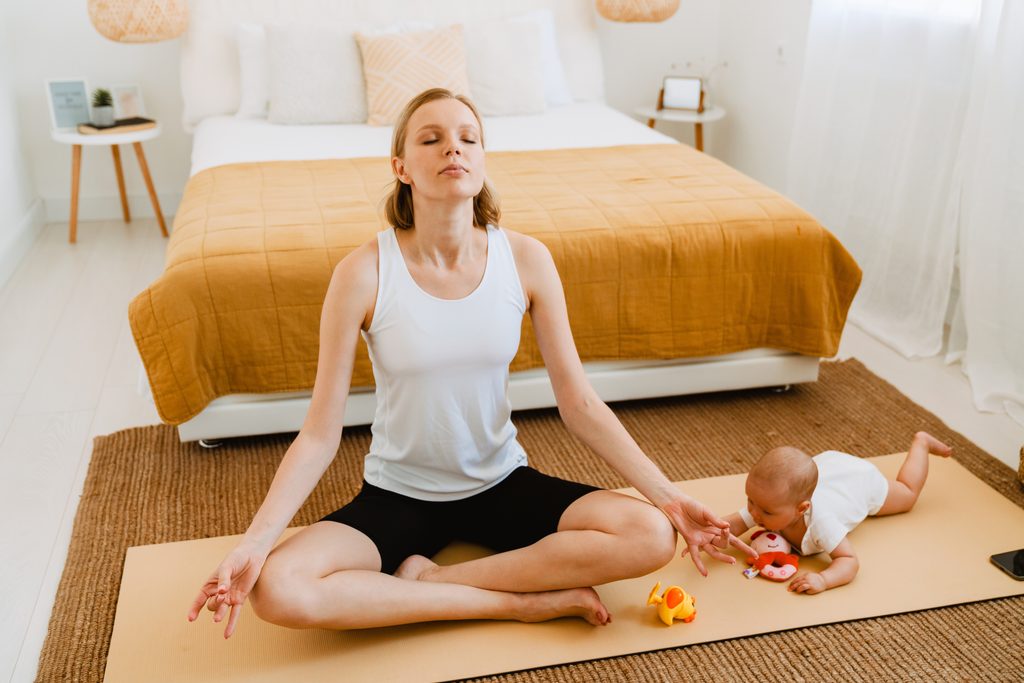
Postpartum Hormone Changes and the Invisible Load of Motherhood
Once you have given birth, it’s easy to focus your energy completely on your baby and neglect your own needs, but it is more important than ever to give yourself the time and space for your own physical recovery and emotional adjustment to parenthood.
Understanding the Postpartum Hormonal Shift
As soon as you give birth to your baby, there are significant postpartum hormone changes including a fall in pregnancy hormones such as oestrogen and progesterone, combined with a rise in prolactin and oxytocin – hormones involved with baby bonding and breastfeeding. This can lead to you feeling weepy, emotional and anxious – particularly in the first week following birth.
At the same time, there is the physical recovery from pregnancy and birth, sleeplessness coupled with the emotional enormity of being responsible for a new life and learning to breastfeed. This means it is imperative to give yourself space, care and compassion – and to prioritise your needs (and not just your baby’s) as you adjust to this new life stage.
Menopause Wellness and Finding Balance in Midlife
It seems just as our hormones begin to settle, we navigate another major life transition – perimenopause. The stage leading up to menopause – and this can continue for around ten years. At first, it’s hard to know if your symptoms could be tiredness and life’s normal ups and downs.
Symptoms such as brain fog, sleeplessness, fatigue, mood swings and hot flushes. But by having body awareness and knowing how to tune into your energy levels, you can start to notice what shifts could be hormonal and related to menopause.
This is typically at a time in life when we are busier than ever – juggling multiple roles such as parent, carer, worker, home maker and more. When our time is limited, it can be easy to neglect ourselves, but it is more important than ever to ensure a smooth transition and focus on menopause wellness.
Supporting Hormonal Wellbeing Through Holistic Practices
By integrating healthy lifestyle practices such as a yoga, meditation, mindful movement and breathwork you can create a foundation for wellbeing and balance that can continue through life.
Yoga and mindful movement helps you to become body aware. Yoga focuses on the five koshas (or layers of the body: physical, energetic, emotional, mental and spiritual) this helps you navigate nuances in energy, mood and physical wellbeing. Research suggests yoga supports stress reduction, emotional wellbeing and overall quality of life through its holistic approach (3).
Breathwork can be either energising or soothing, learning breathing practices can help you instill calm at times of stress or help you to create a feeling of vitality and uplift. It is also helpful to promote sleep and as a stress management tool.
Restorative and yin yoga are deeply relaxing, provide nervous system support, help to ease tension in the body and promote clarity and fostering community connection and putting emotional wellbeing supports in place help us reclaim inner peace and feel safe, grounded and balanced.

How Mindful Living and Ayurveda Support Hormonal Balance for Women
Mindfulness is the opportunity to pause and notice – without labels or judgement. As Thrive’s yoga therapist, Sarah Manning explains, “Mindfulness brings 1001 thoughts to a single point of focus, as we do this, we tap into our creative, intuitive brain – allowing ourselves to be playful, spontaneous and simply enjoying the moment.”
If we find ourselves juggling many thoughts and multitasking, we are constantly stimulated and stressed, which makes huge demands on the body and mind.
Sarah explains: “The body braces – especially in the belly – and over the whole day this is tiring and depleting. The mind uses additional energy to ride the wave – and we numb out the signals from the body – this continues until we stop and crash. Mindful living is a way to counteract this and offer emotional wellbeing support.
Another valuable tool is Ayurveda – the traditional medicine of India which acknowledges balance looks different for every woman. Sarah says: “Rather than treating one symptom in isolation, Ayurveda considers constitution, current imbalances, sleep, digestion, emotions, diet, energy and lifestyle.”
She says: “A detailed diagnosis of your prakriti (the imbalances and tendences of your genetic body (what you were born with) and your current dosha – how you present now. Both are important.
“Once you have a diagnosis, then they can treat – through gentle nudges – your exercise habits, sleep habits, tailored massage, using specific oils, your diet, herb supplements, level of stimulation. All these nudges affect multiple hormones and organs – which through the feedback loops enable a return to better balance.”
Conclusion
Learning to ride the waves of hormonal change is a natural part of every woman’s journey. And each stage brings with it unique challenges and opportunities.
The good news is daily wellbeing practices and lifestyle changes can create holistic wellness for women, build resilience and help steer you back to balance.
At Thrive Journey we understand the the importance of hormonal balance for women and the value of having a range of natural hormone supports at your fingertips – whether you are trying for a baby, pregnant, a new mum, parenting a teenager or dealing with menopause or post menopause.
We have live classes, on demand programs, insights and special themed events to keep you up-to-date with health issues and offering support in the comfort of your home at a time that fits in with your routine.
References:
1: Deloitte Global Women @ Work 2025 study
https://www.deloitte.com/global/en/issues/work/content/women-at-work-global-outlook.html
2: Maternal Mental Health Alliance
https://maternalmentalhealthalliance.org/about-maternal-mental-health
3: International Journal of Yoga
Khajuria A, Kumar A, Joshi D, Kumaran SS. Reducing Stress with Yoga: A Systematic Review Based on Multimodal Biosignals. Int J Yoga. 2023 Sep-Dec;16(3):156-170. doi: 10.4103/ijoy.ijoy_218_23. Epub 2024 Feb 9. PMID: 38463652; PMCID: PMC10919405.