Yoga can be a great way to ease stress and seeking calm, but there are so many styles to choose from that finding the right class to suit your life stage and health goals can seem overwhelming!
In this article we guide you through the main gentle yoga styles so you can feel confident to find a class to suit your stress levels, sleep needs, wellness goals and discover which are best for fertility, pregnancy, post-natal and menopause support.
All these gentle yoga styles incorporate breathing techniques – another huge benefit of the practice. A 2023 Indian study (1) found that a program involving a yogic breathing practice not only reduces stress but also helps improve social connectedness.
So whether you are looking to ease stress, yoga for better sleep, yoga for hormone balance, yoga for fertility, yoga for pregnancy and post-natal or even yoga for digestion – read on to find the best style to suit your needs – and start to enjoy the many benefits from your practice!
Use your energy and mood as your compass
Yoga is about mind-body connection and is an invitation to turn your focus inward – to reflect on how you are feeling physically and emotionally – if your mind is busy or still, where in your body feels tight, heavy or dull and to tune into your energy levels.
This self-assessment helps you to have a sense of what you need to feel more in balance.
If you are feeling stressed and overwhelmed, then a softer, restful style such as restorative yoga is likely to be the best fit. If you are unmotivated and need to kick start your energy, a Yoga Flow is likely to help you feel a little more energised and inspired.
At Thrive Journey we also have gentle yoga styles for the Life stage you are at – we run specific classes for peri and post menopause, senior yoga, fertility yoga (for when you are trying for a baby or going through fertility treatments), pre-natal yoga and post-natal yoga.
To find the right fit for you, reflect on what life stage you are at and how you are feeling physically, emotionally and energetically.
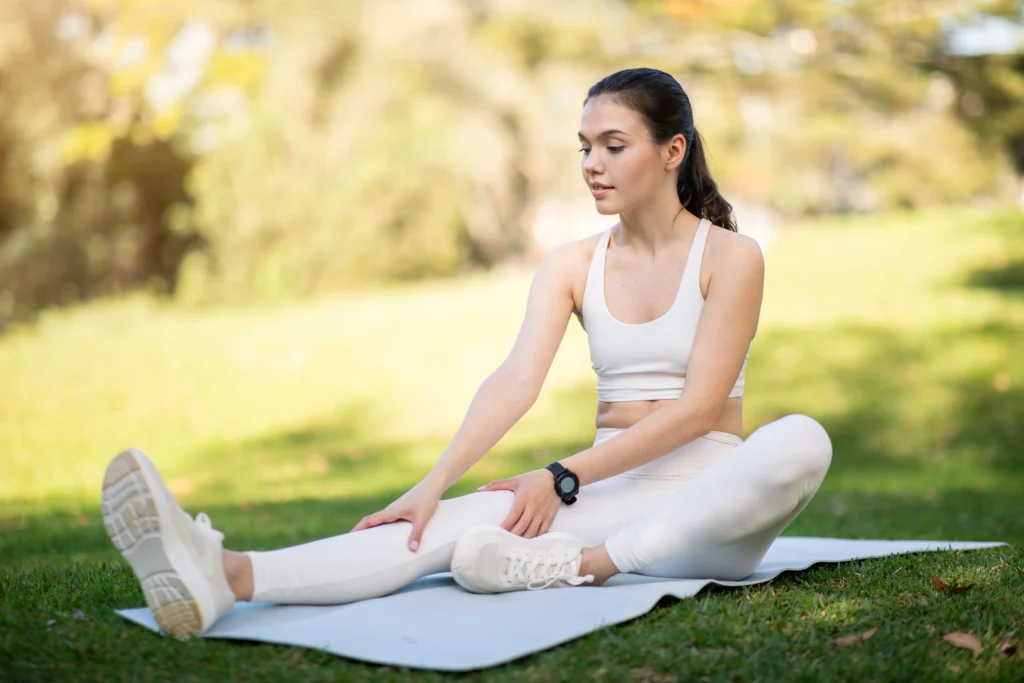
Explore gentle yoga practices for your health and wellness
Yoga Flow – this is sometimes referred to as a gentle Vinyasa – a choregraphed sequence of yoga poses which flow from one to another. After a few moves there is a chance to pause in a rest pose such as Child’s Pose or Savasana during the class. The moves can be in time with your breath to help you feel as if you are in a ‘moving meditation’. Here’s how to transition to a more advanced practice. These classes can sometimes be referred to as a slow flow – perfect to release tension, connect mind and body and a great gentle yoga for beginners. This yoga is suited to all life stages.
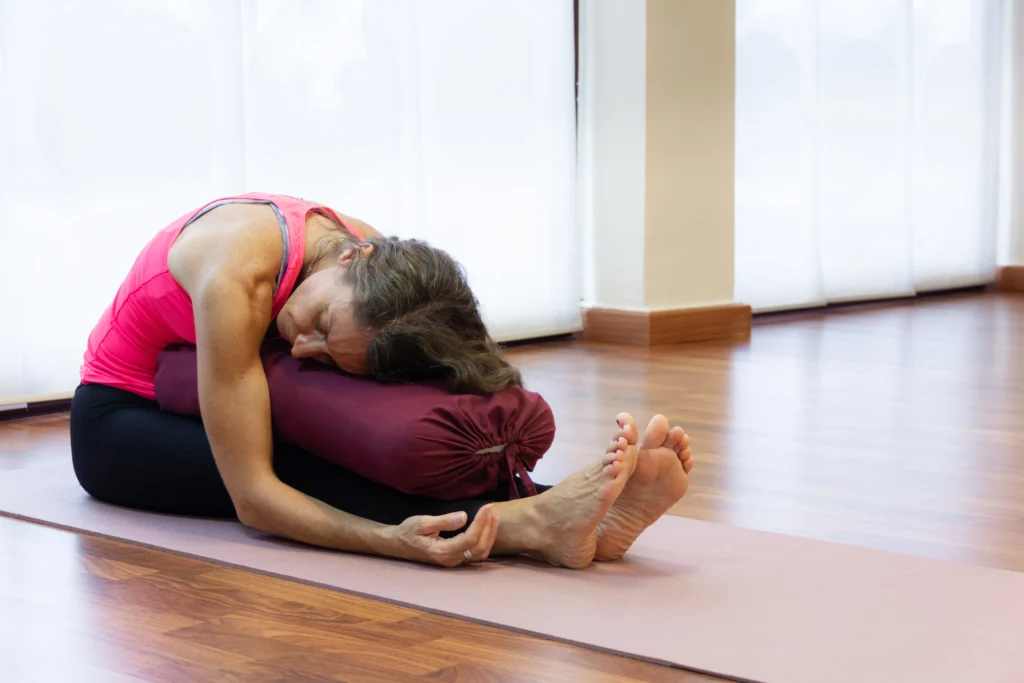
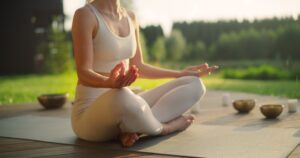
Restorative Yoga – this class uses props such as a bolster, cushion, blankets and blocks to hold and support the body in shapes which feel deeply restful. These shapes are held for around 3-5 minutes and include a connection to the breath as well as visualisations and cues to help you tune into your physical body, emotions and energy levels. It is deeply replenishing and nourishing. Choose restorative yoga for healing, when you are feeling stressed, overwhelmed or fatigued and on days of low energy. It’s a great yoga for menopause and midlife, fertility and pre and post-natal. Discover the healing power of restorative yoga and try some of the poses.
Yin Yoga – there are similarities between restorative and yin – both use props and are slow paced practices where the poses (or shapes) are held for around 3-5 minutes. Yin enables gentle stress on the connective tissue or fascia which helps to aids joint mobility and reduces stiffness. This stress promotes energy flow through the 12 main meridian lines (energy pathways) of the body. For example, a class might be themed on the Kidney and Urinary bladder meridians which are aligned with the season of winter, the element of water and the theme of releasing fear and promoting the quality of being adaptable and fluid in your life. Yin Yoga is helpful for easing anxiety and overthinking, as well as supporting perimenopausal sleep issues. This yoga is suited to all life stages.
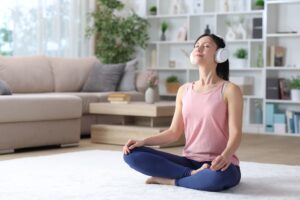
Yoga Nidra – this means yogic sleep and is a guided relaxation practice which encourages you to be aware and yet completely still and totally relaxed. For this practice, you lie in a supported Savasana – lying on your back and often with a bolster under your knees, blanket under your head and a blanket over your body for warmth and weight. It is a structured sequence of instruction including intention setting (Sankalpa), a body scan, visualisation and breath awareness. Yoga Nidra is excellent for a nervous system reset, for inducing calm and improving sleep. This is a perfect yoga for stress relief. It can last from around 10 to 45 minutes. It is also recommended for burn out, IVF stress, postnatal recovery and emotional overwhelm and is suited to all life stages.
A literature review (2) published in the Journal of Ayurveda and Integrated Medical Sciences (April 2025) found positive benefits from the practice of Yoga Nidra. Findings from the studies revealed Yoga Nidra helped with obesity, menopausal symptoms and mental health conditions like stress.
If you are a beginner to yoga, then any of these styles should be suitable – they are gentle introductions to the practice. And as you progress you can, explore yoga poses to improve flexibility for beginners.
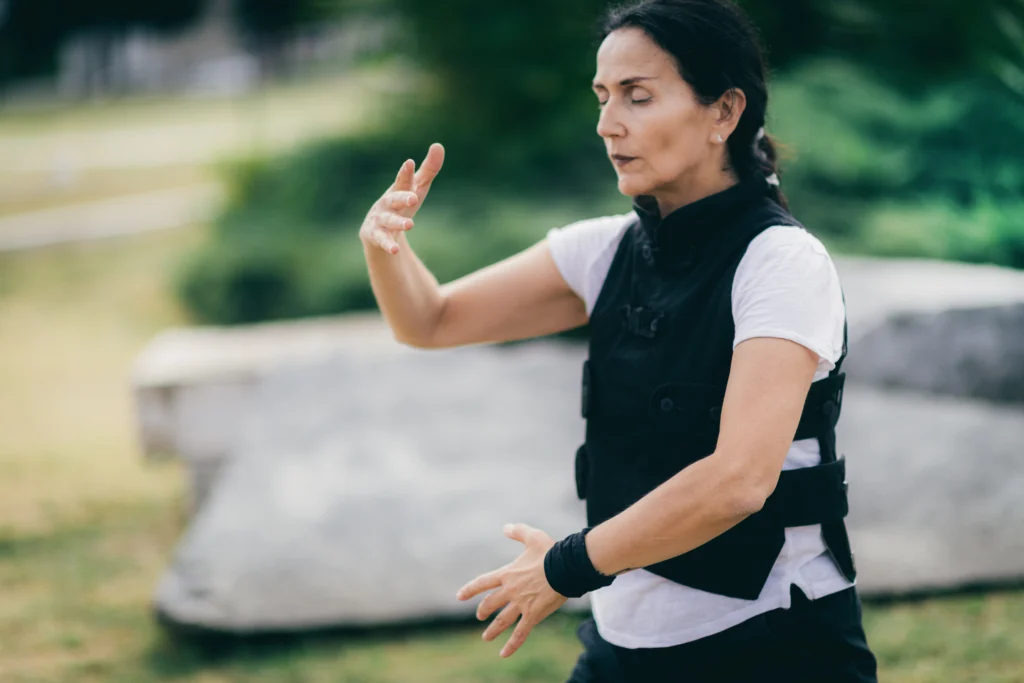
Qigong for women’s energy and hormone balance
Qigong is an ancient Chinese practice which helps to promote energy within the mind and body (primarily using the breath) to encourage health and harmony. This is done through with series of gentle movements connecting breath and energy.
It helps support fertility, hormonal shifts and invites a sense of feeling grounded – great for times you feel ‘wired but tired’. It is also beneficial during menopause and for our Wise Woman life stage as the movements benefit joints, promote coordination and assist balance.
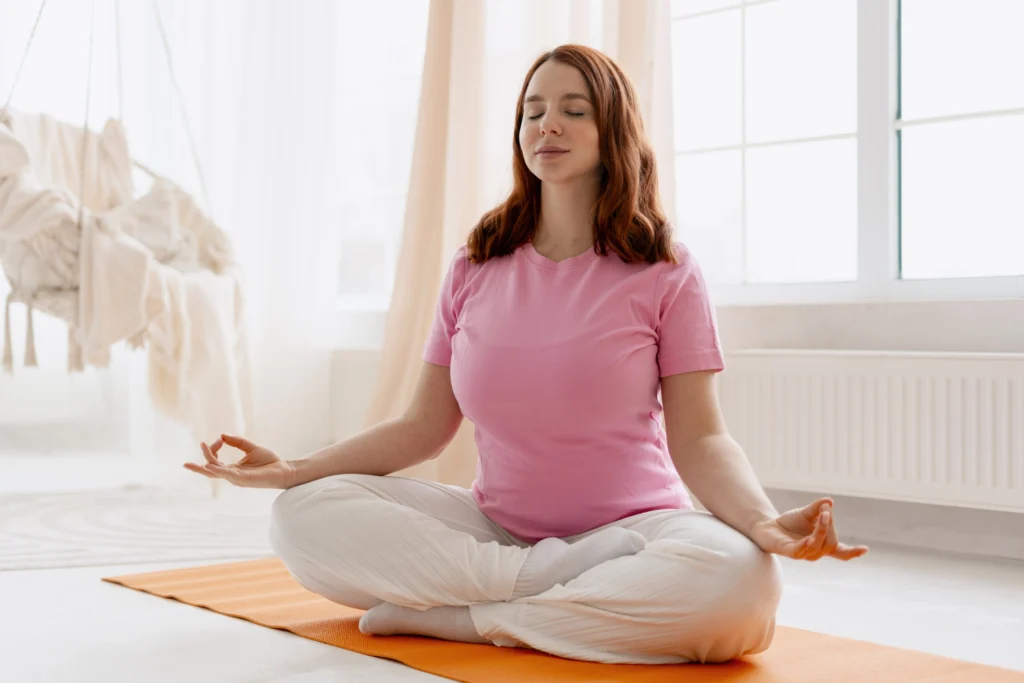
Start your gentle yoga practice today
Attending a class – either online or in person is the best way to start! Commit to your practice by just rolling out your yoga mat and being open to the experience.
You are likely to feel connected to certain styles and teachers, so if you don’t enjoy the first class, be prepared to try other classes.
Often it is best to stick to one particular style as each class will be a little different. Sometimes teachers theme classes in line with the seasons, with yogic philosophy and the chakras – energy lines of the body.
As you become more familiar with the style you will gain confidence and start to notice the benefits from your practice. You might start to feel more relaxed, your sleep might improve and perhaps your body feels more flexible and at ease.
Yoga also gives you tools to be able to use throughout your day – not just on the mat. A soothing breathing practice when you start to notice stress levels rising or a movement to ease a tight lower back. It’s a supportive practice which meets you where you are at. It’s not about doing the perfect Instagram pose, but about feeling a sense of ease in your body and peace in your mind.
Think of starting your yoga practice as focusing on your foundation for a healthy lifestyle and to promote wellbeing. Attending regular Yoga and Qigong classes is beneficial for your physical, mental and emotional wellbeing and is a key component of the eight pillars of wellness – a way to move towards a healthy and balanced life.
At Thrive Journey we have a range of gentle, nurturing yoga styles and Qigong designed to fit into your day and support you at your life stage. Our online classes are taught by expert teachers from around the world. We also have more than 300 on demand classes and courses which you can explore at your convenience. All from the comfort of your own home – perhaps you want to unwind from your day with evening yoga, or discover how to embrace the yogic lifestyle. Join us at Thrive Journey – no need to travel, just log on!
References:
(1) Divya Kanchibhotla, Prateek Harsora, Saumya Subramanian. Influence of yogic breathing in increasing social connectedness among Indian adults.Acta Psychologica, Volume 243,2024, 104164, ISSN 0001-6918, https://doi.org/10.1016/j.actpsy.2024.104164.https://www.sciencedirect.com/science/article/pii/S0001691824000416
(2) Gonmei, Lanjiklu & KV, Swathi & P, Archana & Shetty, Vanitha. (2025). Effect of Yoga Nidra on Women’s Health: A Narrative Review. Journal of Ayurveda and Integrated Medical Sciences. 10. 273-279. 10.21760/jaims.10.2.38.https://www.researchgate.net/publication/390987161_Effect_of_Yoga_Nidra_on_Women’s_Health_A_Narrative_Review