Healthy hormonal function is the foundation for reproductive wellbeing. In this Thrive Journey guide we explore why it is so important for fertility and ways to achieve it.
Trying for a baby is far more involved than tracking your menstrual cycle and knowing your partner’s sperm count – the key to reproduction is healthy hormones for women and men.
Hormones are the body’s key messengers in the fertility journey. When in harmony, they create the prime conditions for conception, implantation, pregnancy birth and bonding. Hormones start ovulation, are responsible for egg quality, prepare the uterine lining and create optimal conditions for conception. And it is often hormonal imbalances which can lead to fertility issues.
American research has linked healthy progesterone levels with improved fertility. The 2022 US study published in Obstetrics & Gynecology Research found an association between a positive PdG cycle (an indicator of progesterone levels) and increased pregnancy rates, along with reduced chances of first-trimester pregnancy loss (1).
The emotional and physical journey of trying for a baby has been compared to a rollercoaster – and for good reason. The highs and lows of hopes and expectations, the wait between ovulation or embryo transfer and then the excitement and trepidation if successful, compared to the despair and sadness when a period arrives and just one line appears on a pregnancy test… This can be gruelling, especially when experienced over and over again.
The infertility rollercoaster can continue for months or even years and be punctuated by guilt, depression, frustration – a whole gamut of emotions and then the expense and added pressure of fertility treatments and IVF just add to the challenge. Physically, there can be invasive tests and procedures, medications and treatment side effects to cope with.
Added to this our modern lifestyles are not set up to support reproductive health – from chronic stress, to fast food and poor diets, pollutants and plastics. In an environment where we are online and available almost 24/7, disrupting our ability to relax, take time out in nature, eat home-grown, home cooked foods and getting our full quote of eight hours uninterrupted sleep. It’s no wonder our poor hormones are a bit out of whack.
This is why Thrive is such an essential and supportive program for when you are on your fertility journey and helping you to find hormone balance for fertility. There’s a huge range of resources from online and live weekly Yoga Nidra classes, to yoga poses for fertility, together with on-demand resources that you can access at any time, including Yoga Rebalance for IVF, our Fertility Relaxation program and Fertility, Yoga for FET (frozen embryo transfer).

Hormones and Fertility Connection: Your Body’s Natural Rhythms
The truth is we can never attain perfect hormonal balance, we can only strive for a balance.
Thrive Journey yoga therapist and teacher, Sarah Manning, says: “Hormones are changing every minute, every day, every week. So the concept of balance is misleading. Hormones are messengers triggering change to help bring the body to optimum balance, health and of course, fertility.”
As Sarah explains all hormones – such as oestrogen, progesterone and thyroid hormones – the ones primarily involved in reproduction, respond to triggers from our emotions and state of mind.
And the reproductive hormones also respond to messages from other hormone glands. For example, the adrenal glands responsible for stress management, the pancreas, for food and diabetes, the pineal for sleep habits, the thyroid for our metabolic rate which is affected by weight and exercise and our thymus – which impacts our immune function.
Sarah adds: “Hormone balance suggests optimal physical, mental and emotional health. So when our body is optimally healthy and in an environment conducive to having a family, then holistic reproductive health can be expected.”
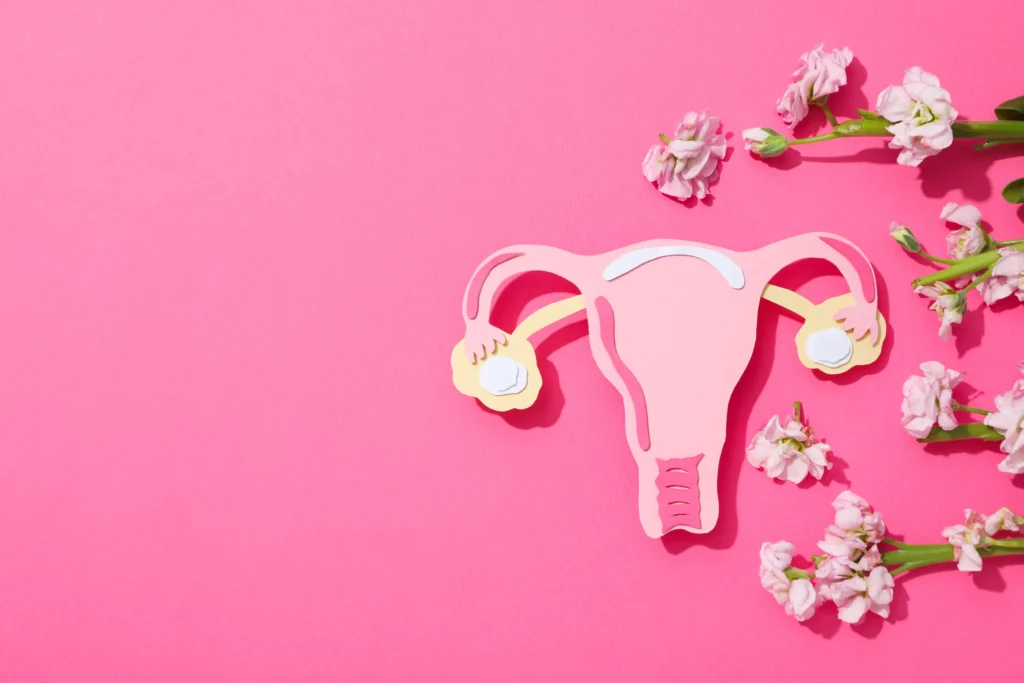
Hormones: The Key Players in the Reproductive Journey
Oestrogen – is primarily involved with the development of the egg and ovulation. It stimulates the growth of ovarian follicles and activates the LH peak for egg release. It also thickens the uterine lining and activates the production of cervical mucus to assist sperm.
Progesterone – plays a key role in regulating the menstrual cycle, supporting implantation by thickening and sustaining the uterine lining and to maintain the pregnancy and support foetal development. Read more about how to naturally support progesterone levels here.
Thyroid Hormones (T3 and T4) are important for regular ovulation and egg quality and development.
Other hormones include (FSH) Follicle-Stimulating Hormone, which causes ovaries to produce oestrogen, (LH) Luteinizing Hormone, which causes ovulation and progesterone production and (hCG) Human Chorionic Gonadotropin, which is released following implantation and maintains progesterone production from the ovaries.
As you can see it is a complex and tightly woven interplay. And other hormones such as cortisol can impede this.

Yoga for Hormone Balance and Reproductive Health
Yoga recognises that balance brings health and practices such as asanas (postures), breathing practices and yoga nidra (deep relaxation) provide holistic fertility support. These practices assist all five layers (koshas) of the mind and body, which are physical, energetic, emotional, mental and spiritual health. That’s why a regular yoga practice can help to keep you feeling balanced and healthy.
Certain movements can help to instil a feeling of hope and optimism, lightness and joy, such as heart-opening yoga which steers us out of a stress state. Other benefits include increasing our flexibility and strength, posture and balance. Regulating our endocrine system, increasing oxygen to our cells and improving sleep. In particular, yoga helps fertility by increasing blood and energy flow to the pelvis and reproductive organs (such as ovaries and uterus), calming the mind, reducing stress and helping women connect with their bodies.

Ayurvedic Wisdom for Fertility and Hormonal Healing
Ayurveda means Science of Life and is focused on finding energy balance. Sarah Manning says: “Ayurveda supports lifestyle changes – from what you eat, drink, when you sleep and how much rest is optimal, what kind of exercise and how much.”
Ayurveda uses yoga, breathing and meditation tools for each dosha diagnosis. In Ayurveda there are three doshas – our energies: Vata, Kapha and Pitta. We all have an inherited imbalance (prakriti) and a current imbalance (Vikriti). Sarah adds that the first step to optimising your lifestyle and health is to have a dosha diagnosis. At Thrive Journey, our specialist, Mani Maran is a Singaporean Vaidyar with more than 40 years’ experience of Ayurveda. When you join Thrive on our annual Premium package, you receive a free dosha diagnosis.
Once you know your dosha, you are able to tap into Ayurvedic fertility support; optimise your diet, herbal supplements, massage treatments, lifestyle and optimal yoga postures to help balance each of the doshas.

Nutrition for Hormone Balance and Fertility Wellness
Create a fertility nutrition plan by eating a diet for natural conception support. There are a host of nutrients which are essential for fertility including folic acid, Vitamin D. And of course, the healthy fats found in Omega-3s which are essential for hormone production. Proteins are needed for amino acids which help with insulin production and keeping blood sugar levels even. Healthy, balanced foods can help with reducing inflammation levels in the body, support a healthy gut biome and maintain a regular weight. Read how to build a fertility friendly plate and essential foods for fertility.
Creating a Hormone-Balancing Lifestyle
Hormones love a healthy and balanced lifestyle – check out our Eight Pillar guide to Wellness and prioritise physical exercise, nutrition, emotional health, social, spiritual, intellectual, environmental and financial health.
Try to eliminate habits which can negatively affect fertility such as smoking, alcohol consumption and chronic stress. Read more about lifestyle changes you can make here.
Minimise household and environmental pollutants. Simple ways to make important changes include using natural cleaning products, swap out plastics for glassware containers, use stainless steel cookware, open windows regularly, eat organic where possible and avoid highly fragranced perfumes and toiletries.
Make sure you are getting enough good quality rest and sleep, and a Yoga Nidra practice before bed, to give your hormones and health a nightly reboot and promote a regular menstrual cycle.

Trusting Your Body and Supporting Your Fertility Journey Naturally
For optimal hormone balance for fertility, do all you can to create a healthy and balanced lifestyle, with a mix of love, fun, work and play. Eat, move, rest and sleep well, but try to relax a little too. We can’t all have the perfect diet every day and sleep eight hours each night. Life means we have to learn to flow and adapt, so be kind to yourself and don’t place too high expectations on yourself or your relationship.
Remember, we are here for you at Thrive. We offer support, advice and connection wherever you are in your fertility journey and wherever you are in the world. Find out more here.
- And for more on this topic, read Professor Christopher Chen’s book: Your Infertility Is My Problem: The comprehensive guide to achieving conception.
Reference:
(1) Amy Beckley, Joshua Klein, John Park, Aimee Eyvazzadeh, Gary Levy, Alexandra Koudele. The predictive value of urinary progesterone metabolite PdG testing in pregnancy outcomes. Obstetrics and Gynecology Research 5 (2022): 194-198 https://www.fortunejournals.com/articles/the-predictive-value-of-urinary-progesterone-metabolite-pdg-testing-in-pregnancy-outcomes.html